
Our Services
Ambulatory EKG Monitoring Today & Multiparameter Cardiac Monitoring Tomorrow
Clinically proven monitoring services powered by FDA-cleared devices, certified cardiac technicians, and AI-assisted workflows.

Full Spectrum Ambulatory Care
Covers the full spectrum of ambulatory cardiac diagnostics: from short-term Holter to near real-time telemetry
Workflow-Aligned Diagnostics
Comprehensive ambulatory diagnostic services aligned with real-world clinical workflows
Intent-Driven Monitoring Programs
Flexible programs that adapt to clinical intent, not one-size-fits-all monitoring
Accuracy-Driven Clinical Performance
Optimized for accuracy, efficiency, and consistent clinical outcomes
Expandable RPM Platform
Built to evolve beyond ECG into multiparameter remote patient monitoring (RPM)
Enterprise-Scale Deployment
Scales seamlessly from individual practices to enterprise health systems
Ambulatory Cardiac Diagnostic Services
CardiacCloud AI delivers end-to-end ambulatory cardiac diagnostics: from data capture to clinician-ready reports; supporting accurate diagnosis, faster decision-making, and scalable clinical operations.
Our Diagnostic Services
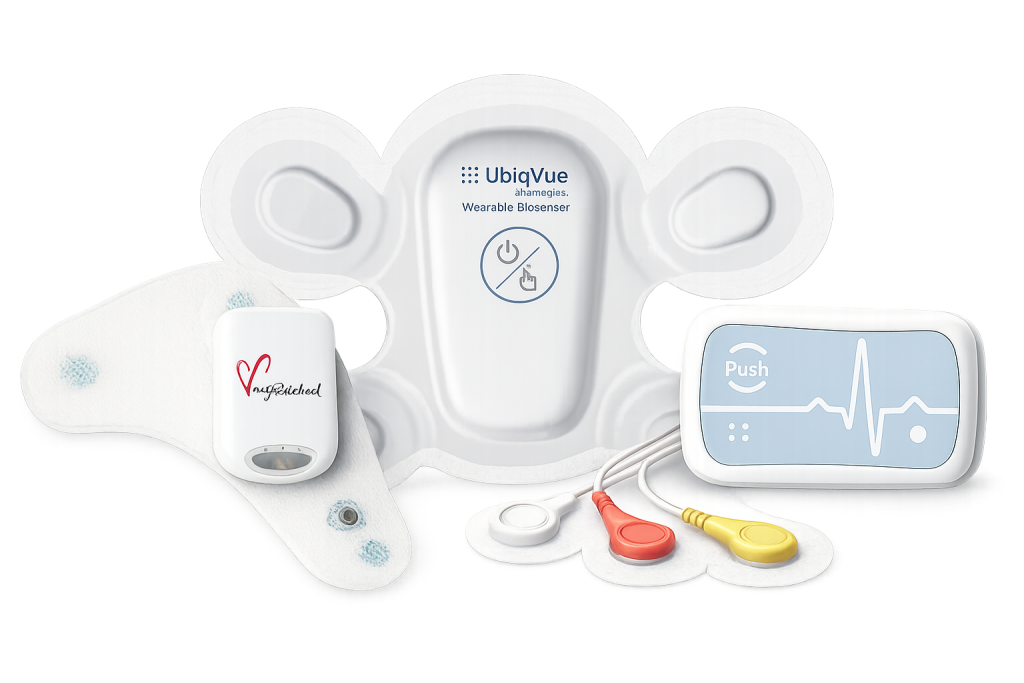
CardiacCloud supports multiple Trident® configurations based on patient population and clinical requirements.
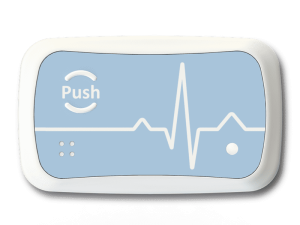
Holter Monitoring
Continuous ECG recording for patients with frequent or daily symptoms, enabling efficient review and timely diagnosis.
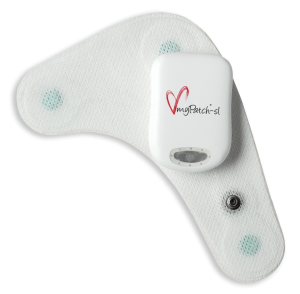
Long-Term Holter Monitoring
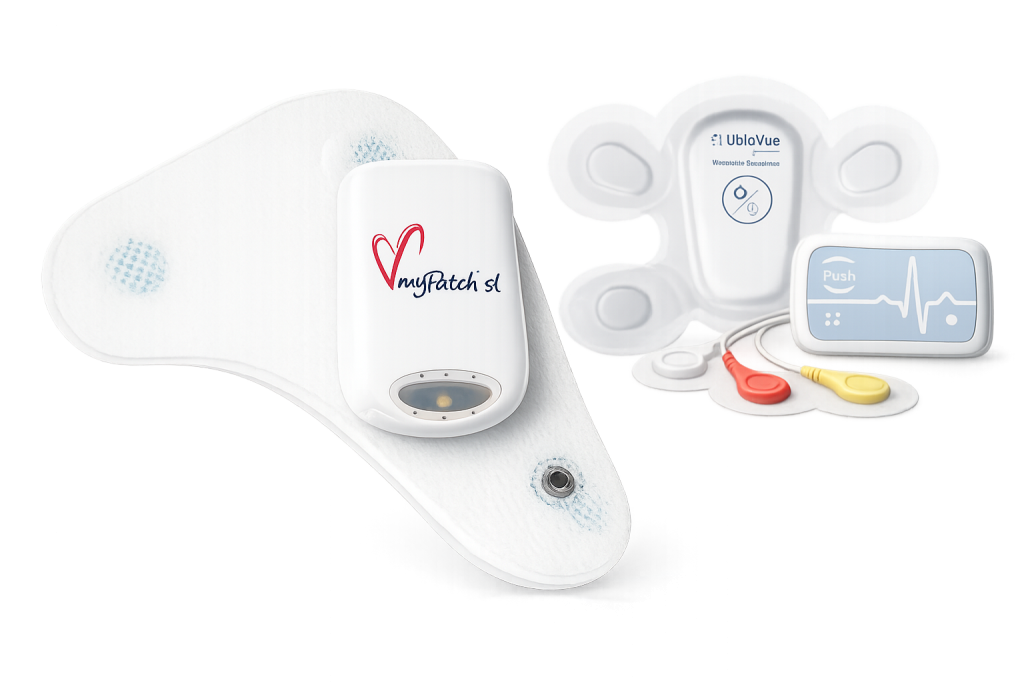
Extended monitoring over several days to weeks to capture infrequent arrhythmias with consistent quality control.
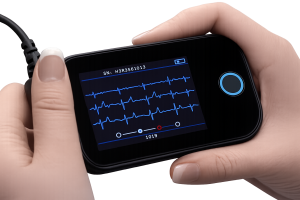
Event Monitoring & MCT
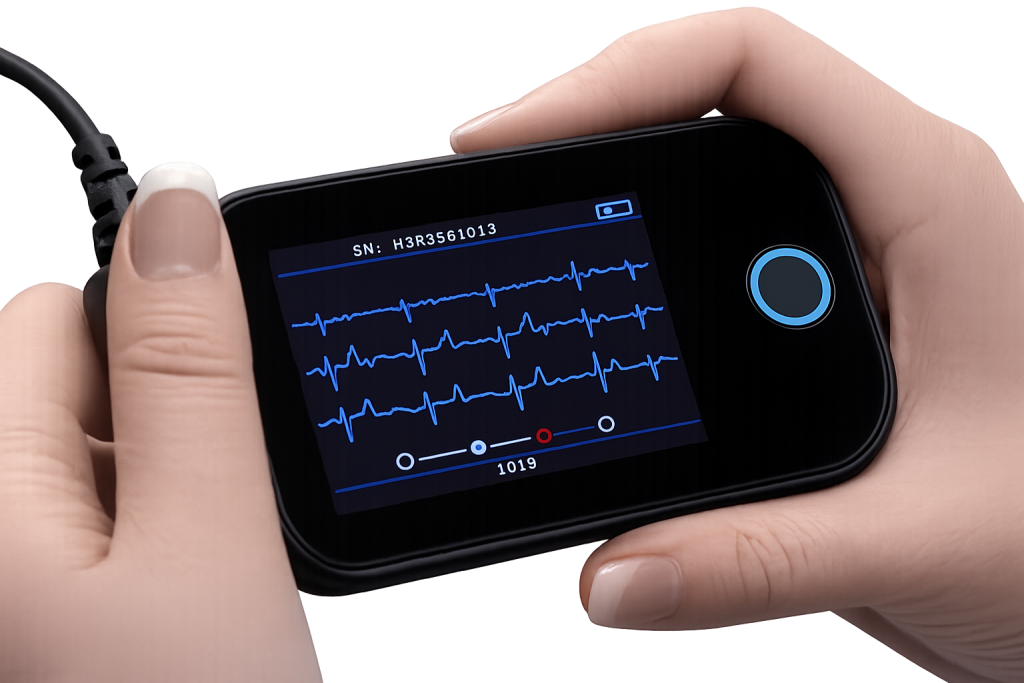
Event-driven and near real-time telemetry workflows with prioritization, escalation, and clinician-ready narratives.
How CardiacCloud AI Delivers These Services
Our focus is on accuracy, speed, and clinical relevance, ensuring providers receive high-quality diagnostic insights they can trust.

FDA-cleared ambulatory ECG devices
FDA-cleared detection algorithms
Certified Cardiac Technicians (CCT / CRAT)
Secure cloud-based diagnostic platform
Timely, clinician-ready reports
Symptom correlation & arrhythmia burden analysis
Holter Monitoring
Holter monitoring is a continuous ECG recording performed over 24 to 48 hours and is typically used when symptoms occur daily or frequently.
Diagnoses Includes
Atrial fibrillation and atrial flutter
Supraventricular tachycardia (SVT)
Ventricular ectopy (PVCs, PACs)
Bradycardia and tachycardia
Sinus node dysfunction
AV conduction abnormalities
Heart rate variability trends
Clinical Use
Commonly ordered to evaluate:
Palpitations
Dizziness or lightheadedness
Shortness of breath
Chest discomfort
Known arrhythmias requiring burden assessment
Long-Term Holter Monitoring
Long-term Holter monitoring extends continuous ECG recording beyond traditional Holter durations—typically from several days up to multiple weeks.
Diagnoses Includes
Intermittent or paroxysmal atrial fibrillation
Infrequent supraventricular or ventricular arrhythmias
Silent (asymptomatic) arrhythmias
Arrhythmia burden and temporal patterns
Clinical Use
Particularly valuable when:
Symptoms are sporadic and not captured in 24–48 hours
Stroke risk evaluation requires AF detection
Longitudinal rhythm assessment is clinically indicated
Event Monitoring & MCT
Cardiac Event Monitoring (CEM) and Mobile Cardiac Telemetry (MCT) are designed to capture intermittent or high-risk cardiac events that may not occur during short-term monitoring. These modalities enable event-driven recording with optional continuous telemetry, supporting rapid detection, prioritization, and clinical response.
Diagnoses Includes
Infrequent or episodic palpitations
Atrial fibrillation and atrial flutter
Supraventricular tachycardia (SVT)
Ventricular tachycardia and ventricular fibrillation
Bradyarrhythmias and significant pauses
Intermittent conduction abnormalities
High-risk or complex arrhythmias requiring urgent review
Clinical Use
CEM / MCT is typically prescribed when: